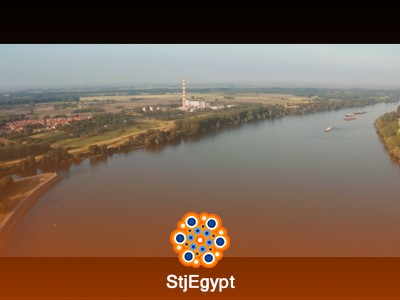

This World Bank Water series explores critical issues related to global water security and the importance of cooperation in managing shared water resources. It is designed to help learners understand how water systems are managed at national and international levels to support sustainable development.
The course begins with transboundary cooperation for water security, explaining how countries work together to manage shared rivers, lakes, and groundwater systems. Learners will understand how collaboration helps reduce conflict and improve fair access to water resources.
It also covers water storage services and the challenges of declining water storage capacity, highlighting the importance of infrastructure in maintaining reliable water supply for agriculture, cities, and ecosystems.
A key focus of the series is the role of irrigation in transforming rural livelihoods, particularly how improved water access in agriculture can support economic development and improve quality of life. The course also introduces flood protection strategies, showing how integrated water management helps reduce disaster risks and protect communities.
In addition, the series highlights the importance of empowering future water leaders and engaging stakeholders in sustainable water governance.
By the end of this course, learners will have a strong understanding of global water security challenges and the role of cooperation, infrastructure, and policy in achieving sustainable