Auditing Full Course – Concepts, Processes, and Risk Assessment
عدد الدروس : 64 عدد ساعات الدورة : 06:06:51 شهادة معتمدة : نعم التسجيل في الدورة للحصول على شهادةللحصول على شهادة
- 1- التسجيل
- 2- مشاهدة الكورس كاملا
- 3- متابعة نسبة اكتمال الكورس تدريجيا
- 4- بعد الانتهاء تظهر الشهادة في الملف الشخصي الخاص بك
قائمة الدروس
عن الدورة
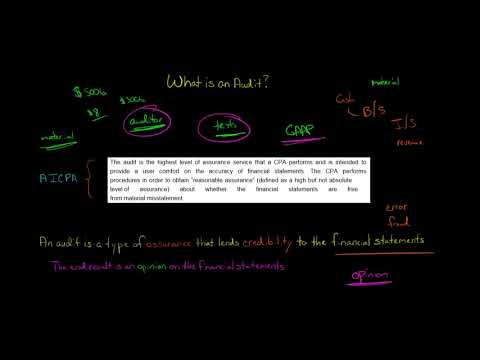
This comprehensive auditing course provides a full understanding of auditing principles, processes, and practical applications. It begins with an introduction to auditing, the importance of auditing, and the different types of audit opinions, including going concern. Students will learn the differences between internal and external audits, the role of the audit committee, and key legislation like the Sarbanes-Oxley Act of 2002.
The course delves into auditing standards, the audit process, engagement letters, and the concepts of independence. Participants will understand audit tests, the fraud triangle, and the audit risk model. It covers management assertions, internal controls, segregation of duties, control deficiencies, material weaknesses, and reporting procedures. Various fraud schemes such as check kiting and lapping are also explained.
Audit sampling is thoroughly discussed, including statistical and non-statistical sampling, sampling risk, attributes sampling, variables sampling, and sample size determination. Specialized cycles are examined, including the revenue and collection cycle, purchasing process, and payroll cycle, with focus on inherent risk, control risk, testing internal controls, and substantive procedures. By completing this course, learners gain practical auditing knowledge to assess risks, evaluate internal controls, and ensure accurate financial reporting.