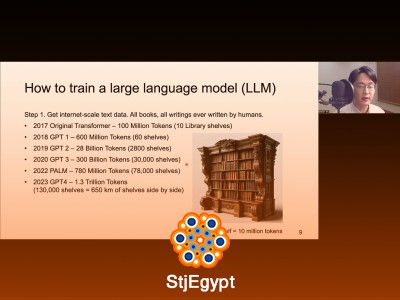
This IBM Technology learning series provides a clear and structured overview of Large Language Models (LLMs), focusing on how they work, their capabilities, and the risks associated with using them in real-world applications.
The course begins with an introduction to prompt tuning, explaining how small adjustments in input prompts can significantly improve AI performance. It then explores important limitations of LLMs, including hallucinations, where AI generates incorrect or misleading information with high confidence.
You will also learn about the risks of large language models, including security vulnerabilities, data poisoning attacks, and how chatbots can be manipulated or “hacked” through corrupted training data.
The series covers the advantages and challenges of using open-source LLMs, helping learners understand when to choose open models versus proprietary systems. It also introduces key concepts such as zero-shot reasoning, where models perform tasks without prior examples.
In addition, the course explains real-world applications like language translation and chatbot systems, including how chatbots work and whether they truly require AI to function effectively.
By the end of this course, learners will have a solid understanding of how LLMs behave in real environments, their strengths and weaknesses, and the ethical and security considerations needed when deploying AI systems.