Scrum Framework Explained: Roles, Events, Tools, and Agile Workflow Basics
عدد الدروس : 10 عدد ساعات الدورة : 01:27:46 شهادة معتمدة : نعم التسجيل في الدورة للحصول على شهادةللحصول على شهادة
- 1- التسجيل
- 2- مشاهدة الكورس كاملا
- 3- متابعة نسبة اكتمال الكورس تدريجيا
- 4- بعد الانتهاء تظهر الشهادة في الملف الشخصي الخاص بك
قائمة الدروس
عن الدورة
Scrum is one of the most widely used frameworks within Agile project management. It provides a structured yet flexible way for teams to deliver work in small increments while continuously improving processes and outcomes. This guide explains the Scrum framework in a simple and practical way, covering roles, events, tools, and how Agile teams use Scrum to manage real-world projects.
The guide begins with an introduction to Agile methodology and how Scrum fits within it. Agile focuses on adaptability, collaboration, and continuous delivery, while Scrum provides a structured framework to implement these principles in practice. Scrum organizes work into short cycles called sprints, allowing teams to deliver value incrementally and improve through feedback.
A key part of Scrum is its defined roles. The Scrum Master ensures the team follows Agile principles and removes obstacles. The Product Owner is responsible for managing the product backlog and prioritizing work based on business value. The Development Team focuses on delivering functional product increments during each sprint. Each role has a clear responsibility that supports collaboration and accountability.
The guide also explains Scrum events, which provide structure to the workflow. Sprint Planning is used to define what work will be done in the sprint. Daily Scrum (stand-up) helps the team synchronize progress. Sprint Review focuses on demonstrating completed work to stakeholders. Sprint Retrospective allows the team to reflect and improve their process. These events ensure transparency and continuous improvement.
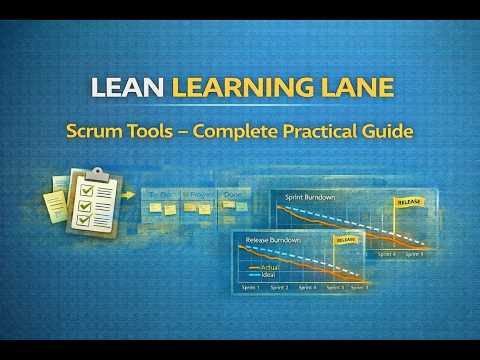
Scrum tools and artifacts are another important part of the framework. The Product Backlog contains all required work items for the product. The Sprint Backlog includes selected tasks for the current sprint. Scrum boards visualize work progress, while burndown charts help track completion over time. These tools make work visible and easier to manage.
The guide also highlights the role of Agile tools in supporting Scrum workflows. Visual boards and tracking systems help teams manage tasks, monitor progress, and identify bottlenecks. These tools improve collaboration and ensure that everyone understands the current status of work.
In addition, the roles of Product Owner and Scrum Master are explained in detail. The Product Owner focuses on maximizing product value through prioritization, while the Scrum Master ensures the team follows Scrum practices effectively. Developers collaborate closely to deliver increments that meet the Definition of Done.
The guide also introduces how Scrum applies to real Agile environments, including sprint planning practices, backlog refinement, and continuous delivery workflows. It explains how teams use Scrum to manage changing requirements while maintaining structure and efficiency.


