Embedded Systems Programming & Communication Protocols – Complete Guide
عدد الدروس : 46 عدد ساعات الدورة : 04:25:44 شهادة معتمدة : نعم التسجيل في الدورة للحصول على شهادةللحصول على شهادة
- 1- التسجيل
- 2- مشاهدة الكورس كاملا
- 3- متابعة نسبة اكتمال الكورس تدريجيا
- 4- بعد الانتهاء تظهر الشهادة في الملف الشخصي الخاص بك
قائمة الدروس
عن الدورة
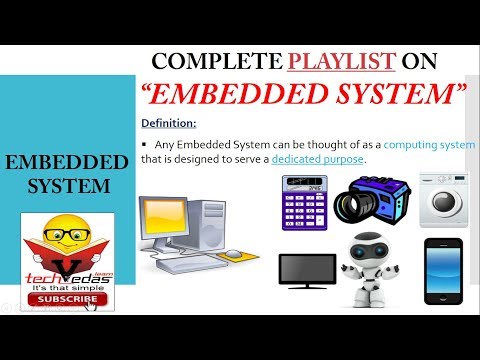
This comprehensive Embedded Systems course provides a strong foundation in both hardware and software concepts essential for embedded development. It begins with the definition, classification, and real-world examples of embedded systems, along with the differences between general-purpose computing systems and dedicated embedded platforms.
Learners explore microprocessor architecture including the 8086 microprocessor and understand instruction pipelining, internal architecture, and system block diagrams. The course also clarifies the difference between microprocessors and microcontrollers, memory types such as EEPROM and Flash, and key embedded hardware components.
A major focus is on communication protocols used in embedded systems, including UART, SPI, I2C, and CAN bus. Practical configuration examples such as UART on the STM32F4 are included. CAN protocol architecture, frame formats, arbitration, and differences between CAN and LIN are also explained.
Software topics include compilation using GCC, linker concepts, memory layout (Flash, RAM, Stack, Heap), bit masking, circular buffers, structure padding, typecasting, pointers, and interrupt handling. GPIO configuration and ADC basics are also covered.
The course concludes with career guidance, resume preparation, and skills required to become an embedded software developer, making it ideal for beginners and aspiring professionals.