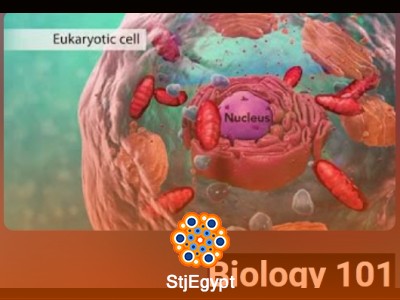

This Cell Biology basics course introduces the fundamental building blocks of life and how cells function. It is designed to help learners understand how living organisms are structured at the cellular level and how cells carry out essential life processes.
The course begins with an overview of cell structure, explaining the main components of both plant and animal cells, including the nucleus, organelles, and cell membranes. It also explores the differences between eukaryotic cells and other cell types.
Students will learn about the cell membrane and how it controls what enters and leaves the cell through transport mechanisms such as diffusion, osmosis, and active transport.
The course also covers biomolecules, including proteins, lipids, carbohydrates, and nucleic acids, explaining their roles in cell function and energy storage. Enzymes are introduced as biological catalysts that speed up chemical reactions in cells.
A major part of the course focuses on energy processes such as cellular respiration and ATP production, showing how cells convert nutrients into usable energy. It also introduces photosynthesis and its relationship to energy flow in living systems.
Finally, learners are introduced to chemical bonding concepts such as ionic and covalent bonds, which are essential for understanding molecular interactions in biology.
By the end of this course, students will have a strong understanding of cell structure, function, energy processes, and biomolecules.