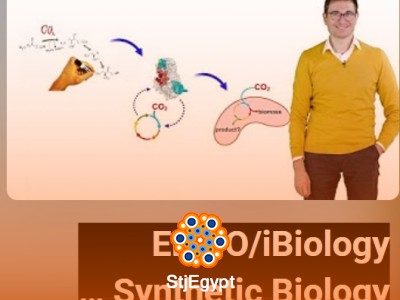

This Synthetic Biology course introduces one of the most advanced and rapidly growing fields in modern biology. It focuses on how scientists engineer living organisms to perform new functions and solve real-world problems.
The course begins with an overview of synthetic biology as an engineering discipline, explaining how biology is combined with engineering principles to design and build biological systems. It then explores key concepts such as genetic circuits, microbial engineering, and system design in living cells.
Students will learn how bacteria and yeast can be genetically modified to produce useful compounds, including antibiotics and bio-based chemicals. The course also covers CRISPR technology and how it is used to edit bacterial genomes with high precision.
A major focus is placed on metabolic engineering, where scientists redesign cellular pathways to improve production of materials or energy. The course also explains synthetic carbon dioxide fixation and how engineered organisms can help reduce environmental impact.
In addition, learners will explore real-world applications such as pollutant degradation, industrial biotechnology, and the creation of novel biological systems.
By the end of this course, students will understand how synthetic biology is used to program living cells, engineer microbes, and develop innovative solutions for global challenges in health, energy, and the environment.