All-In-One Face Rigging Tutorial in Blender | Beginner to Advanced Facial Setup
عدد الدروس : 1 عدد ساعات الدورة : 01:14:26 شهادة معتمدة : نعم التسجيل في الدورة للحصول على شهادةللحصول على شهادة
- 1- التسجيل
- 2- مشاهدة الكورس كاملا
- 3- متابعة نسبة اكتمال الكورس تدريجيا
- 4- بعد الانتهاء تظهر الشهادة في الملف الشخصي الخاص بك
قائمة الدروس
عن الدورة
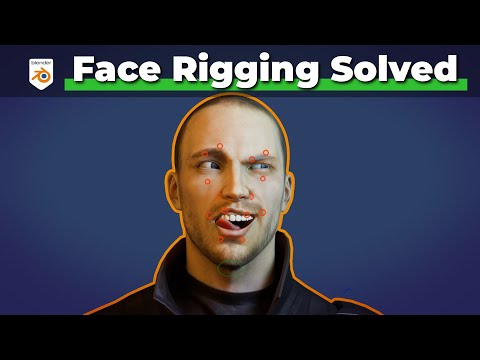
This complete facial rigging guide in Blender walks through the full process of building a functional face rig for animation. Facial rigging is one of the most important parts of character creation, allowing a model to express emotions and perform realistic movements.
The tutorial begins with preparing the character model. A clean, well-structured mesh is essential before starting any rigging work. Proper topology around key facial areas like the eyes, mouth, and jaw ensures smooth deformation during animation. Good edge flow is critical for natural expressions.
Next, you learn how to create the base armature. This skeleton structure controls the movement of the face. Bones are carefully placed in strategic areas such as the jaw, eyebrows, and around the mouth to allow for expressive control. Proper naming and organization of bones helps maintain a clean rig.
The rigging process continues with weight painting. This step connects the mesh to the armature, defining how much influence each bone has over different parts of the face. Smooth and precise weight distribution is essential for avoiding deformation issues like stretching or collapsing geometry.
Facial controls are then introduced. Instead of animating bones directly, control systems are created to make animation easier. These controls allow animators to adjust expressions like smiling, blinking, and eyebrow movement with simple handles or sliders.
The tutorial also covers advanced deformation techniques. This includes corrective shapes and additional support systems that improve realism when the face moves in extreme expressions. These adjustments help maintain volume and natural structure during animation.
Shape keys are often used alongside rigging to enhance facial flexibility. They allow for custom expressions that can be blended smoothly, giving more control over subtle emotional changes.
By the end of this tutorial, you will understand how to build a complete facial rig inside Blender, from skeleton setup to animation-ready controls. This skill is essential for character animation, game development, and cinematic storytelling.