All My Fashion Design Tutorials in Order of Process
عدد الدروس : 1 عدد ساعات الدورة : 08:12:26 شهادة معتمدة : نعم التسجيل في الدورة للحصول على شهادةللحصول على شهادة
- 1- التسجيل
- 2- مشاهدة الكورس كاملا
- 3- متابعة نسبة اكتمال الكورس تدريجيا
- 4- بعد الانتهاء تظهر الشهادة في الملف الشخصي الخاص بك
عن الدورة
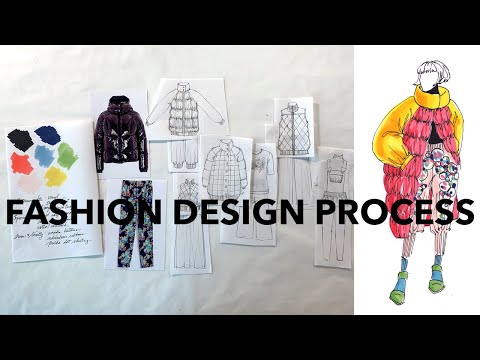
Fashion design is not a single skill, but a complete creative process that combines research, sketching, technical development, garment construction, and presentation. This series organizes all fashion design tutorials into a clear, logical order so learners can understand how each stage connects to the next. Instead of learning random techniques, this structured path shows how real fashion design workflows progress from idea to finished product.
The process begins with inspiration and concept development. Every fashion project starts with research, mood boards, and creative direction. Designers explore themes, gather references, and define the visual identity of their collection. This stage is essential because it sets the foundation for all design decisions that follow.
Next comes fashion sketching and illustration. This is where ideas are translated into visual form using croquis, garment sketches, and detailed fashion drawings. Learning how to draw fashion correctly helps communicate design ideas clearly and develop silhouettes before moving into technical construction.
After sketching, the workflow moves into pattern making. This includes flat pattern drafting, draping, and digital pattern creation. Pattern making is the technical bridge between design and garment construction. It defines how fabric is cut and assembled to create real clothing. Understanding patterns ensures that designs are not only creative but also structurally possible.
The next stage is sewing and garment construction. This is where patterns become real garments through stitching, assembly, and finishing techniques. Learning sewing basics helps designers understand fabric behavior, construction methods, and how garments are built in real production environments.
Alongside traditional methods, 3D fashion design plays an important role in modern workflows. Tools like Marvelous Designer, CLO3D, and Browzwear allow designers to create and simulate garments digitally. This stage helps visualize fit, test designs, and reduce physical sampling, making the design process faster and more efficient.
Once garments and designs are developed, the focus shifts to textiles and surface design. This includes creating seamless patterns, fabric prints, and applying textures to fashion sketches. Textile design adds personality and identity to garments, making them more visually unique and brand-focused.