Generate Images Using DCGAN – Machine Learning Project Tutorial (Edureka)
عدد الدروس : 1 عدد ساعات الدورة : 00:25:53 شهادة معتمدة : نعم التسجيل في الدورة للحصول على شهادةللحصول على شهادة
- 1- التسجيل
- 2- مشاهدة الكورس كاملا
- 3- متابعة نسبة اكتمال الكورس تدريجيا
- 4- بعد الانتهاء تظهر الشهادة في الملف الشخصي الخاص بك
قائمة الدروس
عن الدورة
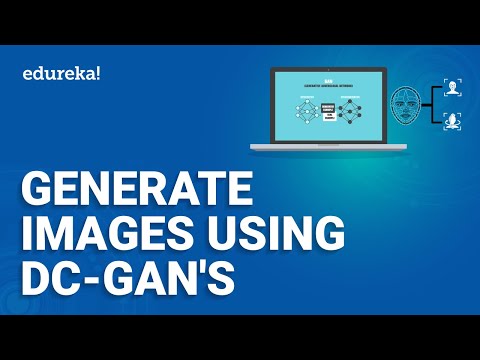
This project-based tutorial from Edureka demonstrates how to generate synthetic images using a Deep Convolutional Generative Adversarial Network (DCGAN). It is designed for learners who want to understand GANs through hands-on machine learning implementation.
The video starts by introducing the problem statement, explaining the goal of generating realistic images from random noise using deep learning models. It then walks through the overall workflow of the project, helping learners understand how data flows through a GAN architecture.
Next, the tutorial introduces the essential tools and frameworks used in the implementation, focusing on Python-based machine learning libraries. These tools are commonly used in real-world AI and deep learning projects.
A major focus of the course is the hands-on implementation of DCGAN. Learners are guided step-by-step through building both the generator and discriminator networks, training them together in an adversarial setup, and improving image quality over time.
The tutorial explains how DCGAN improves upon basic GAN models by using convolutional layers, making it more effective for image generation tasks. It also highlights how training stability and output quality can be enhanced through proper model design.
By the end of the project, learners understand how DCGAN works in practice and gain experience in building generative models that can produce realistic synthetic images, which is a core application of modern generative AI and computer vision.