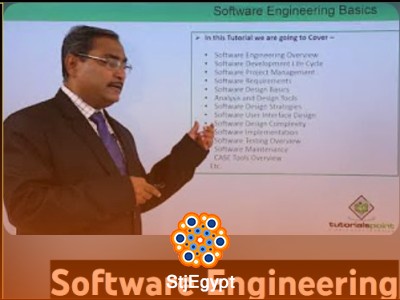

Software Engineering Basics course provides a clear and structured introduction to the core concepts of software engineering for beginners. It is designed to help learners understand how software is developed, maintained, and improved over time.
The course begins with an overview of software engineering and explains its importance in building reliable and scalable software systems. It introduces the concept of software evolution, including key laws and the idea of E-type systems, which describe how real-world software changes over time.
Learners are then introduced to software paradigms and the fundamental need for software engineering in modern development. The course highlights the characteristics of good software, such as reliability, efficiency, and maintainability.
A major part of the course focuses on the Software Development Life Cycle (SDLC), explaining how software projects move through structured phases from planning to maintenance. It also introduces different development paradigms that guide how software is built.
Finally, the course covers the Waterfall Model, one of the most traditional software development approaches, explaining its step-by-step process and use cases.
By the end of this course, learners will understand the basic principles of software engineering, software lifecycle models, and development methodologies, providing a strong foundation for further study in software development and system design.