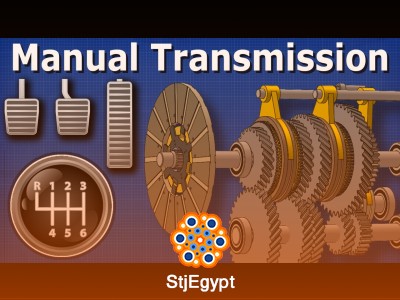

tailed introduction to essential automotive systems for beginners and aspiring mechanics. Students will start by understanding manual transmissions, learning how gear shifting works and why it is essential for vehicle performance. The course then explores alternators, explaining their role as electricity generators that power the car’s electrical systems and charge the battery while the engine runs.
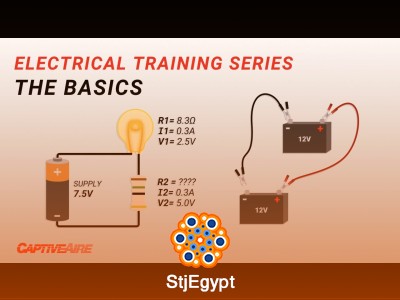
Learners will gain practical knowledge about car batteries, including how they work, how to test them safely, and their importance in starting and running the vehicle. The starter motor is also covered, showing how electrical energy is converted into mechanical energy to start the engine.
The course further introduces torque, explaining its basic principles and significance in vehicle mechanics. Finally, students will explore differentials, including open differentials, learning how they allow wheels to rotate at different speeds for smooth cornering. Each lesson combines theoretical understanding with visual explanations and practical demonstrations, enabling learners to confidently apply this knowledge to real-world automotive scenarios. By the end of the course, students will have a strong foundation in automotive mechanics, preparing them for h